Tea Processing
Why Whole Leaf Matters
The Story of Quality
Broken leaves. Dust. Fannings. versus whole leaf. The difference is profound. Whole leaf teas steep more elegantly, release flavor gradually, and can be re-steeped. They invite relationship. Broken leaves demand speed.
Speed and harshness
The Broken Leaf Problem
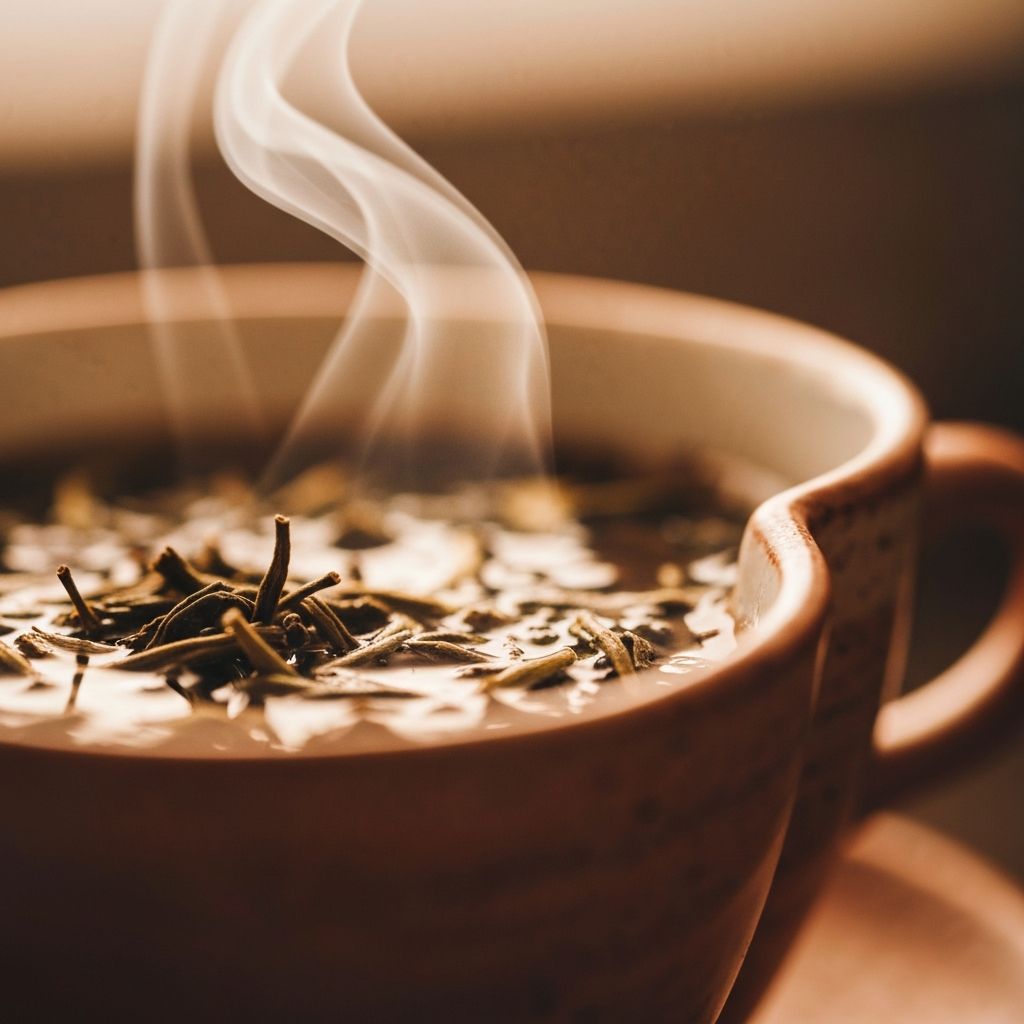
Broken leaves and dust (fannings) have high surface area. They extract quickly, harshly. The tea brews in 1-2 minutes, often over-extracting. The result tastes bitter, flat, one-dimensional. Fannings are cheaper for producers. Fast for consumers. But they do not invite presence. They do not reward re-steeping. They are consumable, not relational.
Elegance, depth, conversation
The Whole Leaf Invitation
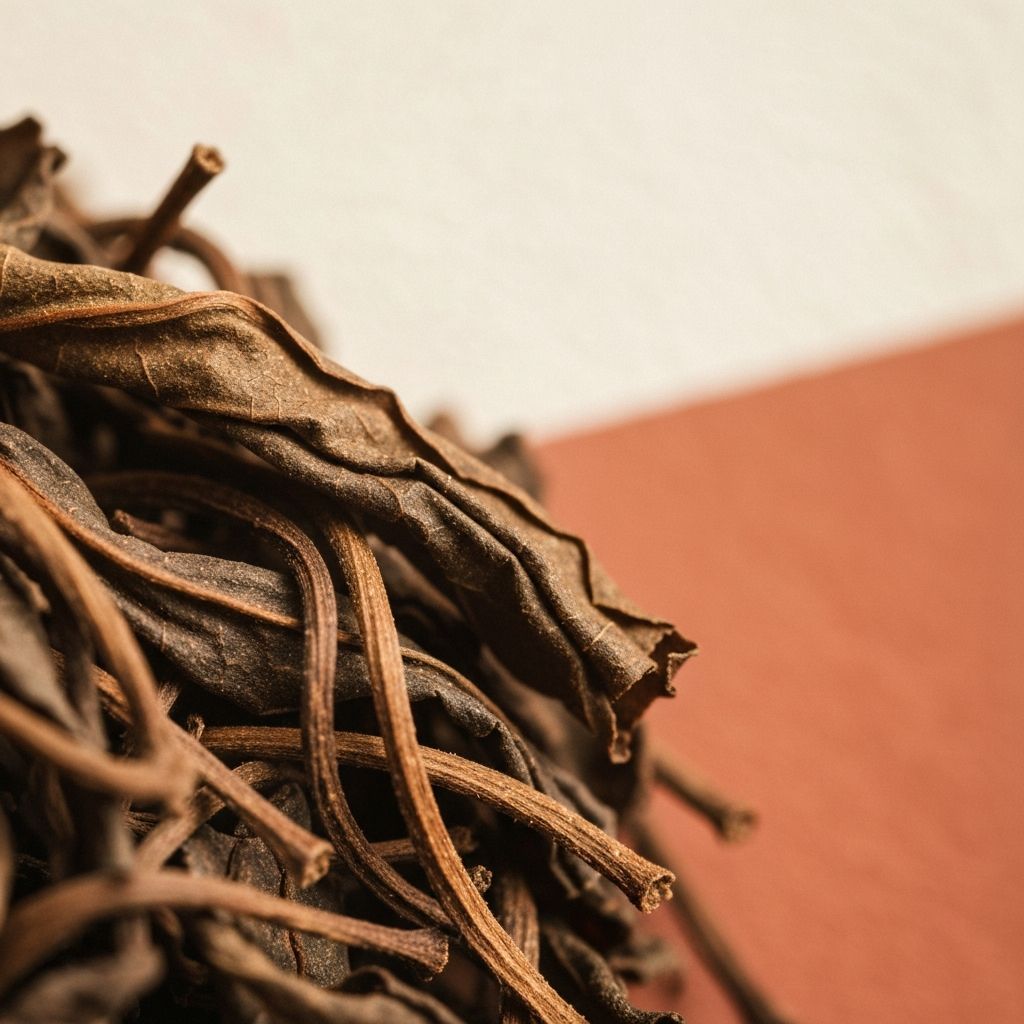
Whole leaf teas unfold slowly. The leaf gradually releases flavor compounds as hot water penetrates the curl or roll. This gradual release creates complexity. Each steep tastes different. You can brew the same leaves 5-8 times. Each infusion teaches something new. Whole leaf tea is not something you consume. It is something you enter into relationship with.
“Choosing whole leaf is choosing to slow down. It is choosing depth over speed. It is choosing presence over consumption.”
Adarsha
How to Recognize Quality
- 01Look at the dry leaves: Are they mostly intact? Or mostly broken?
- 02Smell the aroma: Does it smell alive? Or dusty?
- 03Brew the first infusion: Does it steep gracefully? Or blast extraction?
- 04Re-steep: Can the leaves be re-steeped? Do they continue to unfold?
- 05Taste the progression: Does flavor evolve across infusions? Or flatten out?
Quality as philosophy
POUR's Commitment
POUR sources only whole leaf teas because we believe tea is a practice, not a product. Whole leaf quality is a commitment to the person holding the cup. It says: Your attention matters. Your time matters. The tea you are about to drink deserves to be fully expressed.