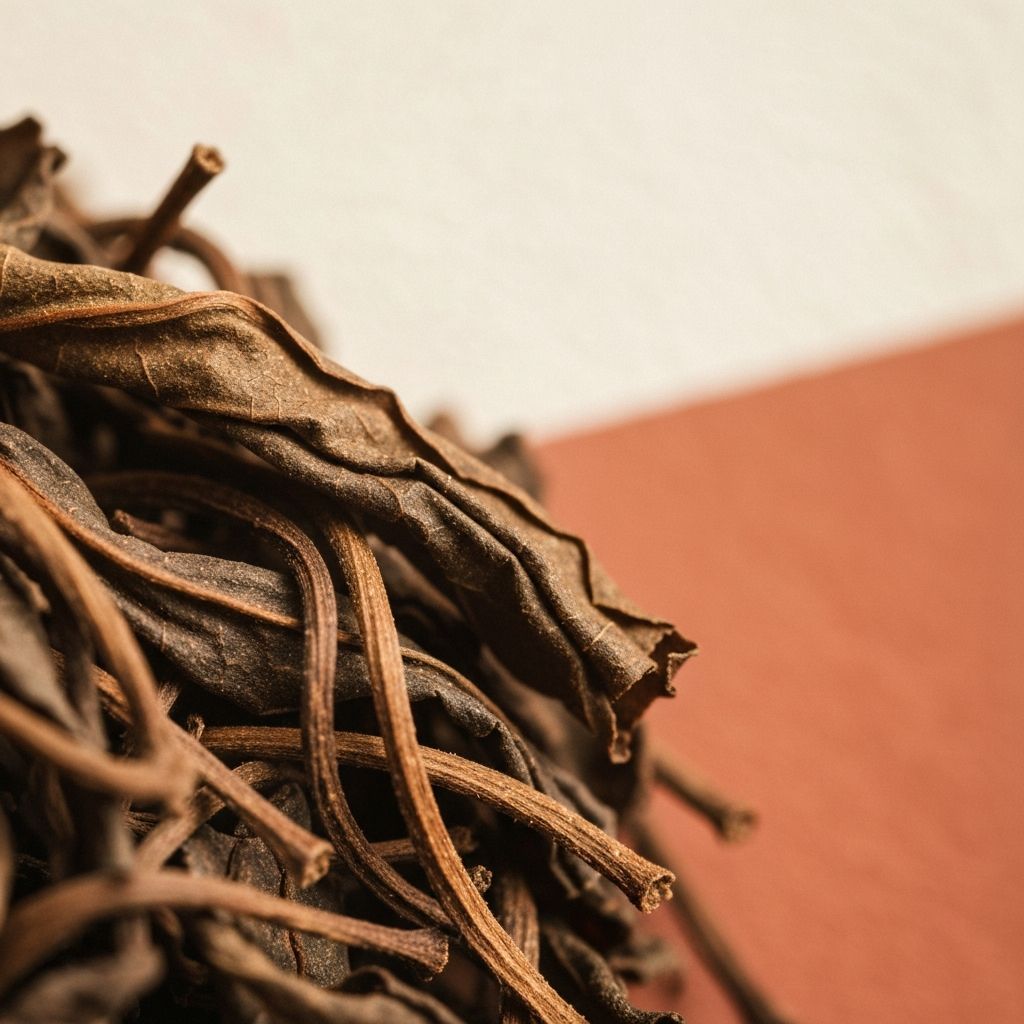
Himalayan Tea
Altitude & Essence
What High Mountains Give Tea
Himalayan teas grow where the air is thin and the seasons are dramatic. Elevation affects leaf density, mineral content, and oxidation speed. This creates distinctive character found nowhere else.
Where mid-altitude creates optimal conditions
The Altitude Advantage
Nepal's prime tea regions grow between 1,500 to 2,500 meters. At these elevations, tea plants experience ideal conditions: cool nights that slow growth and concentrate flavor, high-altitude sunlight that drives polyphenol production, and mineral-rich soil shaped by Himalayan geology. These conditions force the plant to produce precisely calibrated concentrations of L-theanine, GABA, and other compounds associated with calm alertness. The elevation range creates a biological "sweet spot" high enough for terroir complexity, low enough to optimize the nervous system compounds that make POUR unique.
“Elevation is not just geography. It is biology. The mountain writes itself into the leaf.”
Adarsha
Soil, light, water, and time
Terroir: The Mountain's Signature
Nepal's diverse elevations create distinct microclimates. Eastern slopes catch monsoon moisture. Western peaks receive dry winds. Northern gardens nestle in Himalayan shadow. Southern plantations drink in intense sun. Each zone produces a different story. A tea from 2,400 meters tastes different from 3,100 meters. Not better. Different. This is terroir: the complete expression of place through taste.

How to Taste Altitude
- 01Brew at 80°C (not boiling) to honor delicate leaf structure
- 02Use water with mineral content. Altitude teas need to speak to minerals
- 03Notice the aftertaste: mineral sweetness, gentle warmth, lingering presence
- 04Re-steep 3-4 times: each infusion reveals new dimensions
- 05Pay attention: this tea rewards listening
Why mid-altitude matters biologically
The Science Behind the Story
Nepal's prime tea-growing elevations (1,500-2,500m) optimize L-theanine production through a specific balance of temperature, soil microbes, and UV exposure. At these elevations, tea plants produce elevated levels of L-theanine, polyphenols, and GABA. These are the compounds most associated with nervous system regulation. Research shows that mid-altitude cultivation creates this optimal biochemical profile. At higher elevations, some compounds actually decline. POUR sources from the sweet spot: high enough for complexity, optimized for wellness compounds.
Sources & References
Government Sources
- →
Nepal Tea Elevation and Growing Regions (2024)
Nepal Tea and Coffee Development Board • Official source on tea cultivation elevations in Ilam, Panchthar, Dhankuta districts
View Source
Reports & Analysis
- →
Sushant Dhakal. From Taste to Trade: Exploring the Dynamics of Nepal's Tea Export Sector (2024)
Nepal Economic Forum • Comprehensive analysis of Nepal's tea export sector with official production statistics
View Source