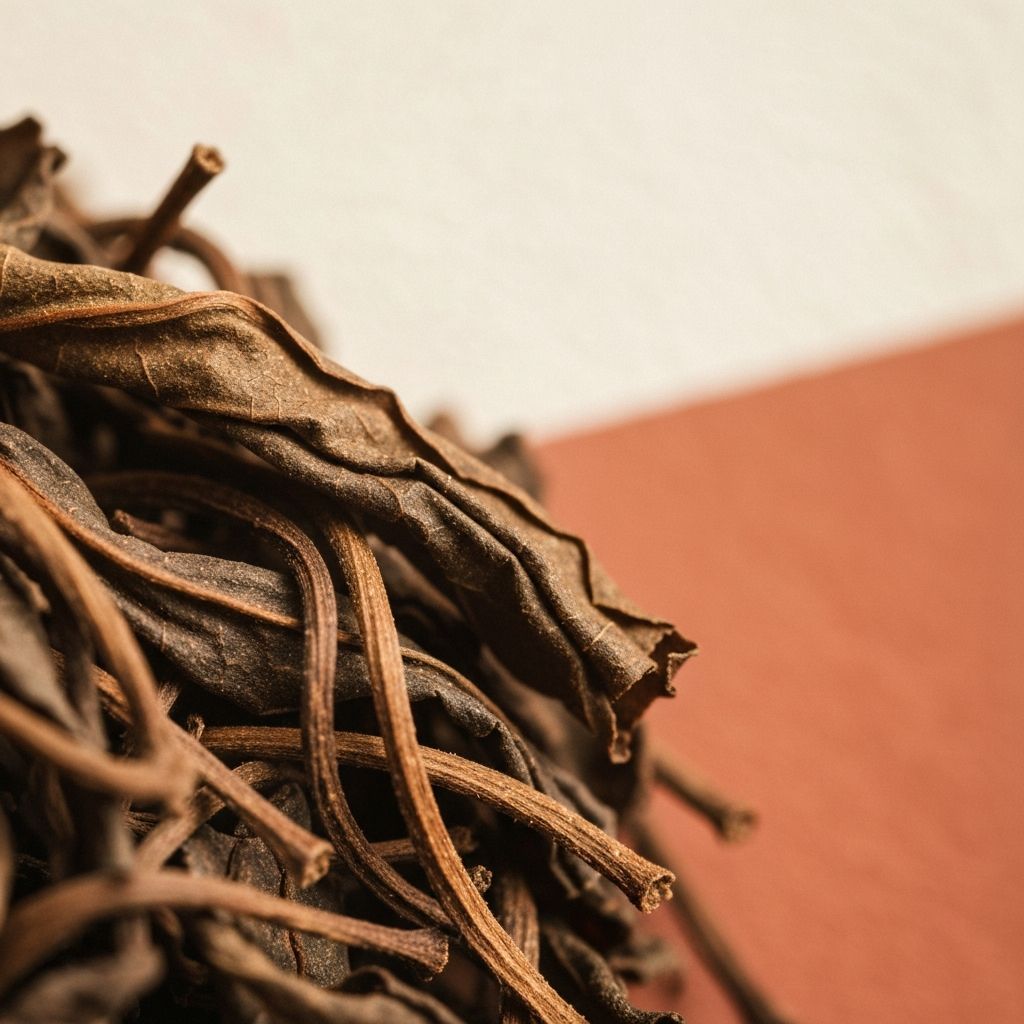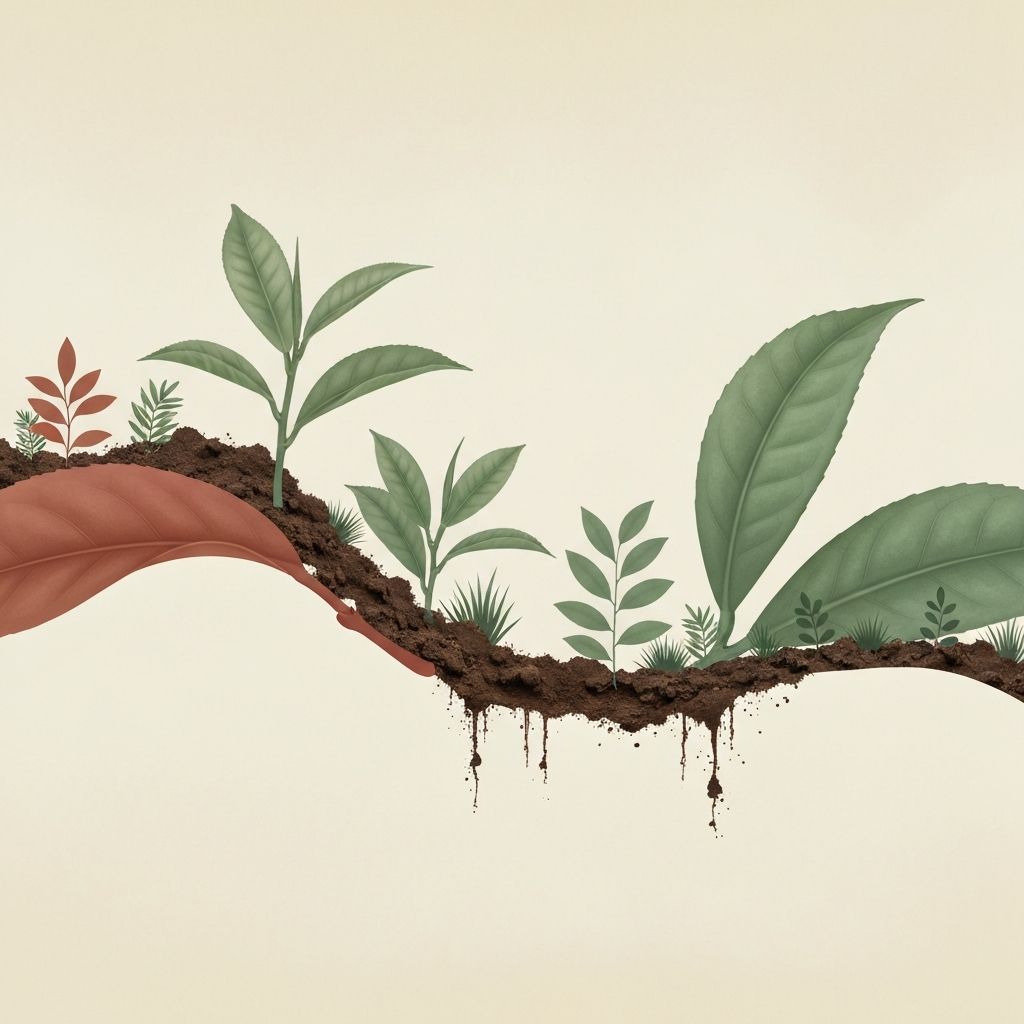
Climate & Seasonality
Reading the Seasons
How Climate Shapes the Cup
Spring brings delicate first flushes with floral notes. Summer rains deepen flavor. Autumn creates golden buds. Each season tells a story through taste. To drink seasonally is to move in rhythm with the natural world.
Delicate, bright, full of potential
Spring: The First Blush
After winter rest, tea plants awaken. The first flush of spring produces leaves of extraordinary refinement. They are tender, quick to oxidize, and carry floral aromatic compounds. Spring teas taste like the mountain waking up. They carry the energy of renewal. Delicate. Bright. Sometimes vegetal. Often transcendent.

Monsoon rains and mineral complexity
Summer: The Deep Work
Summer brings heavy monsoon rains to Nepal. The tea plants drink deeply. Leaves grow larger, slower, more complex. Summer teas carry mineral notes, deeper oxidation, and woody sweetness. They taste like abundance. Like the earth fully expressing itself. Summer tea requires more attention in steeping. It rewards patience with depth.
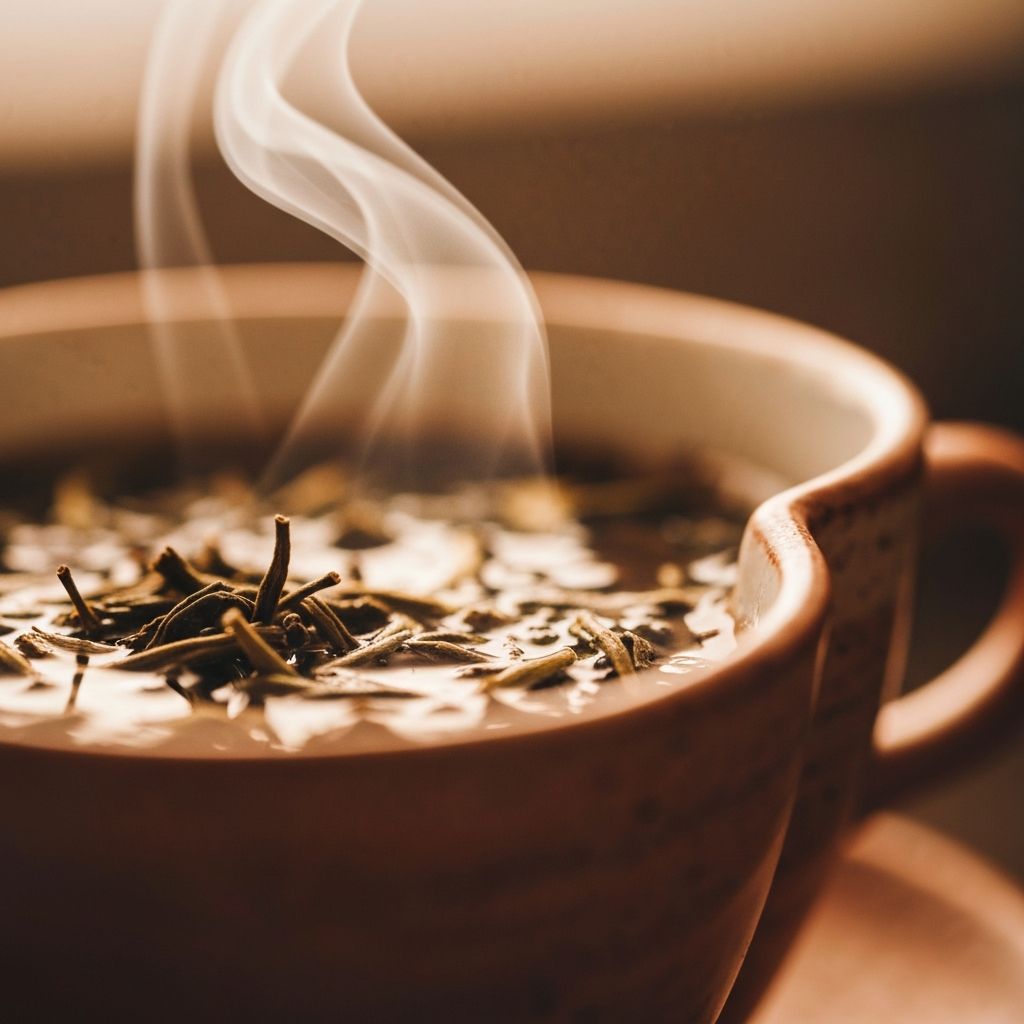
Sweet, balanced, contemplative
Autumn: The Golden Hour
Autumn produces the prized golden buds. Autumnal teas strike a balance between spring's delicacy and summer's depth. They are naturally sweet, with honey and stone fruit notes. There is a contemplative quality to autumn tea. It tastes like the world slowing down. Like harvest. Like gratitude.
“When you drink with the seasons, you are not consuming tea. You are participating in the year. You become part of the mountain's rhythm.”
Adarsha
Seasonal Tasting Ritual
- 01Spring: Brew briefly (2-3 minutes) at 75°C. Notice delicacy.
- 02Summer: Brew longer (4-5 minutes) at 85°C. Explore depth.
- 03Autumn: Brew at 80°C for 3-4 minutes. Taste the balance.
- 04Keep notes: How does your body respond to each season?
- 05Notice: Which season calls to you? What does that reveal?