From Earth to Cup
Pour withPresence
Tea as ritual, not consumption. Each cup is POUR distilled — a slow and mindful return to the body, to breath, and to subtle inner life.
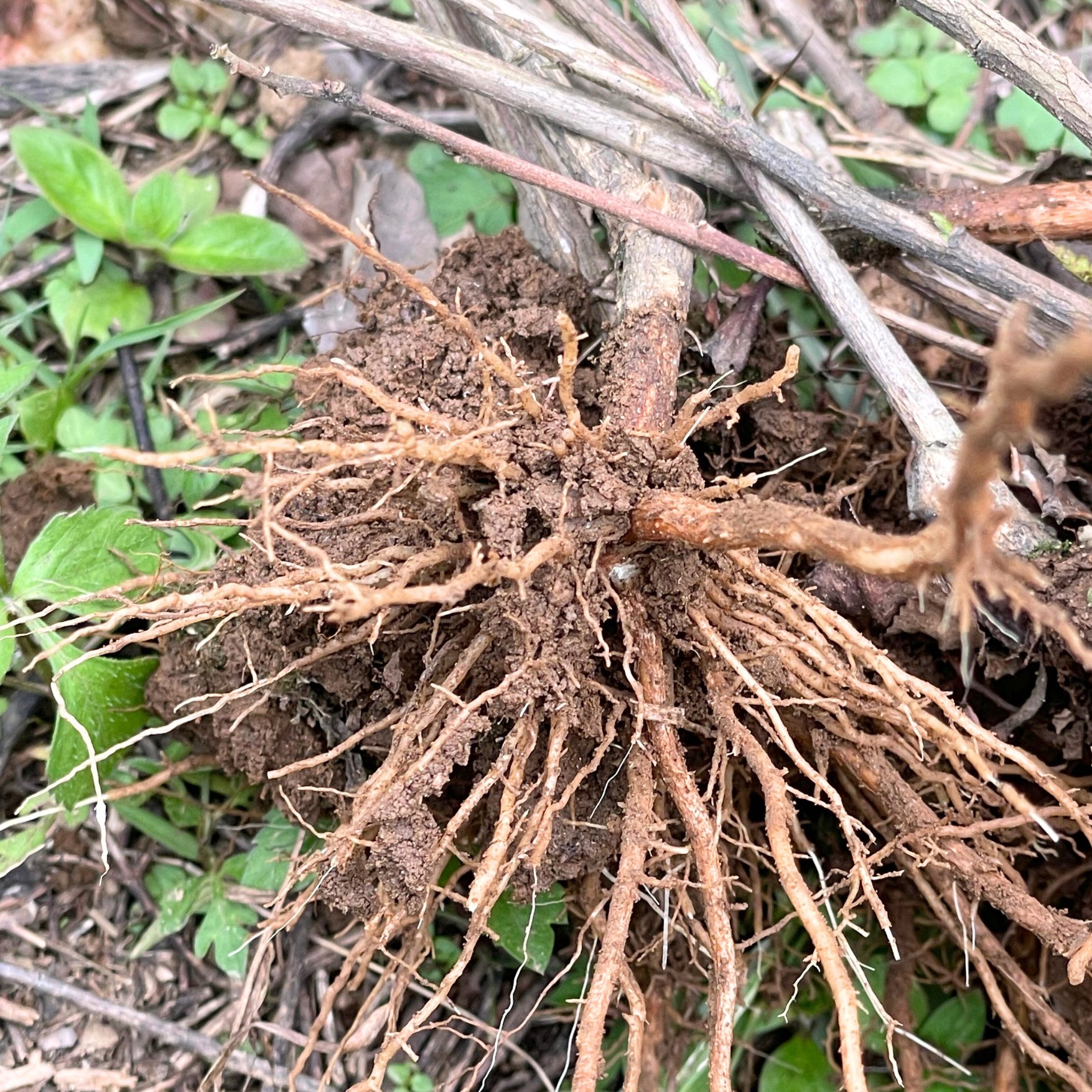
Root
The Origin
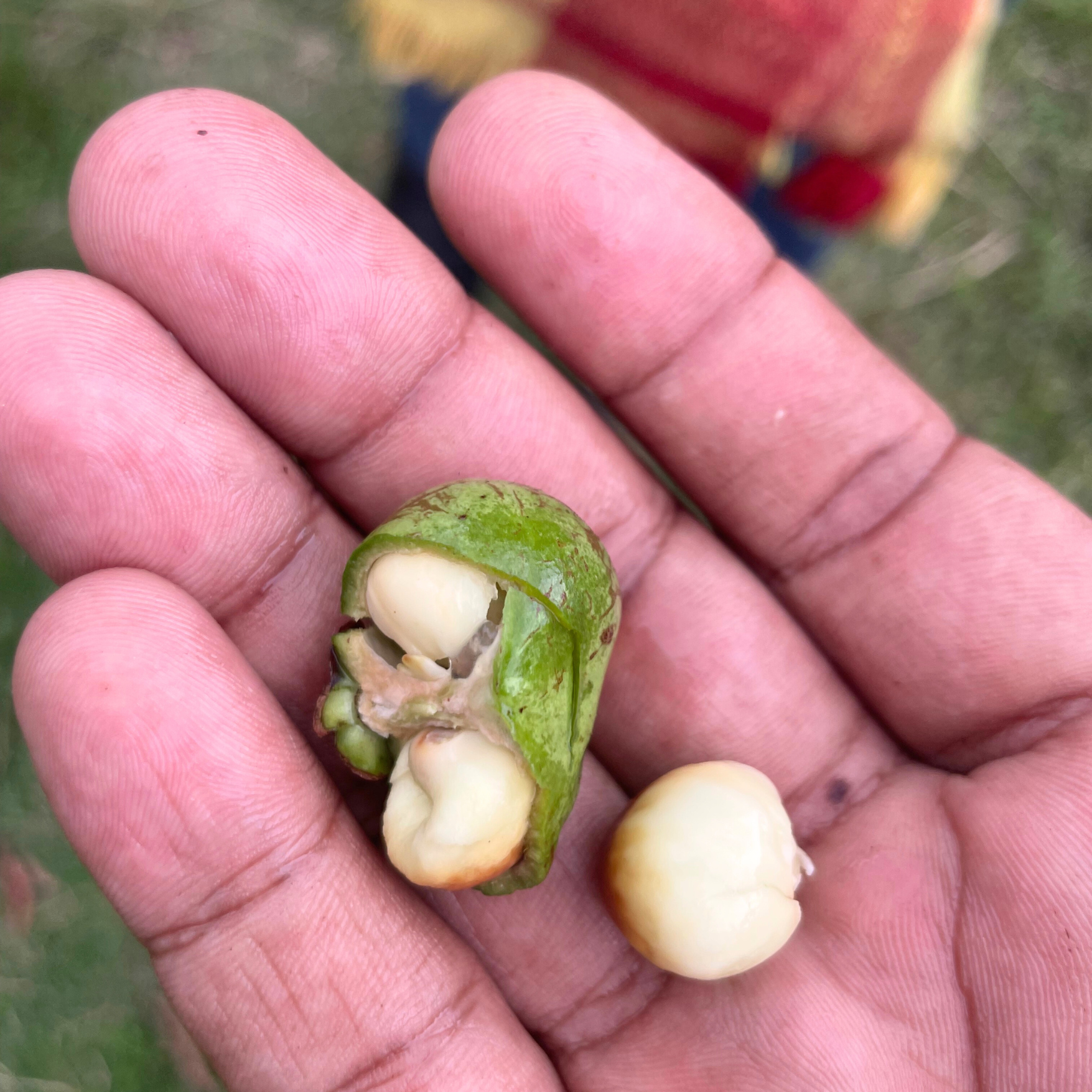
Seed
The Beginning
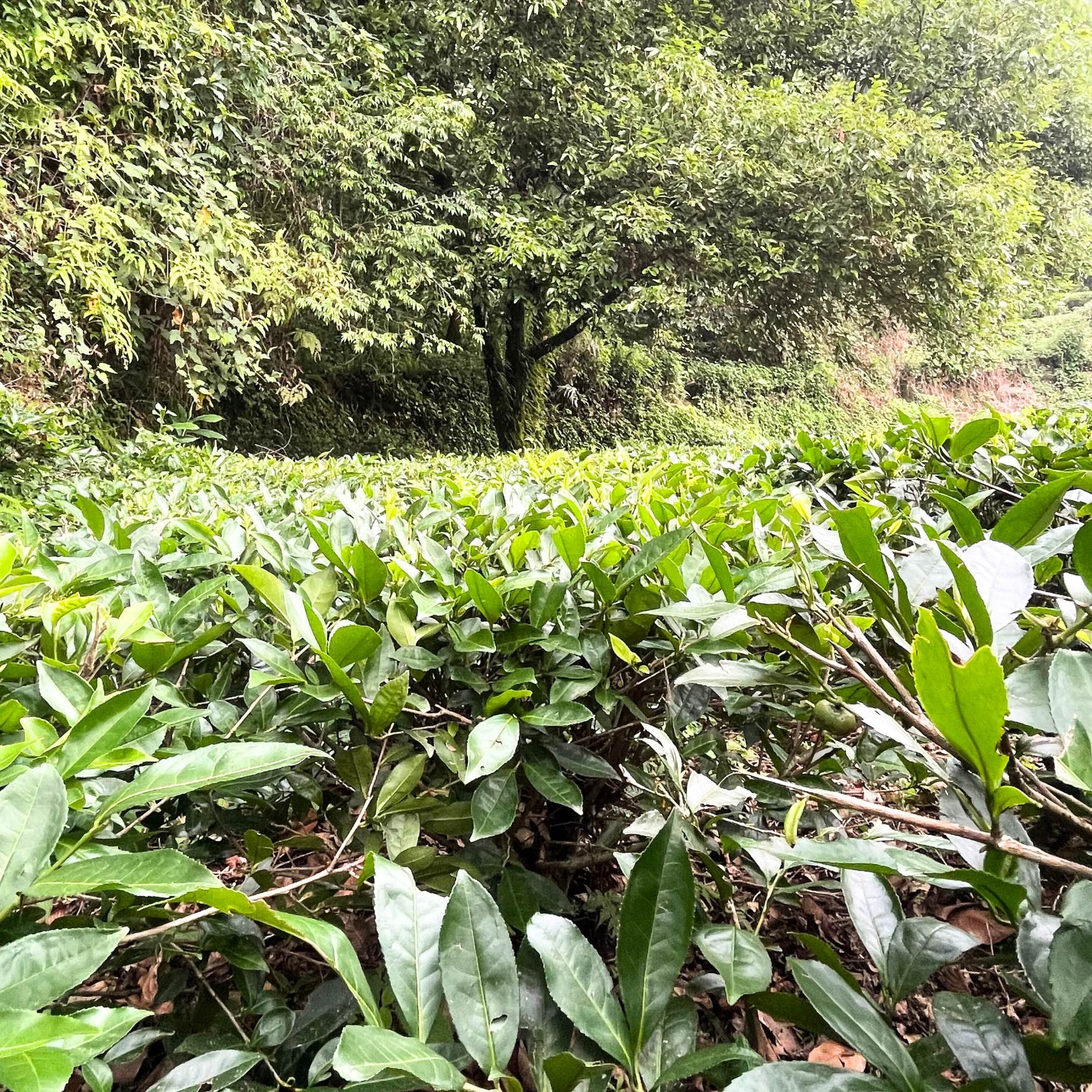
Garden
The Growth
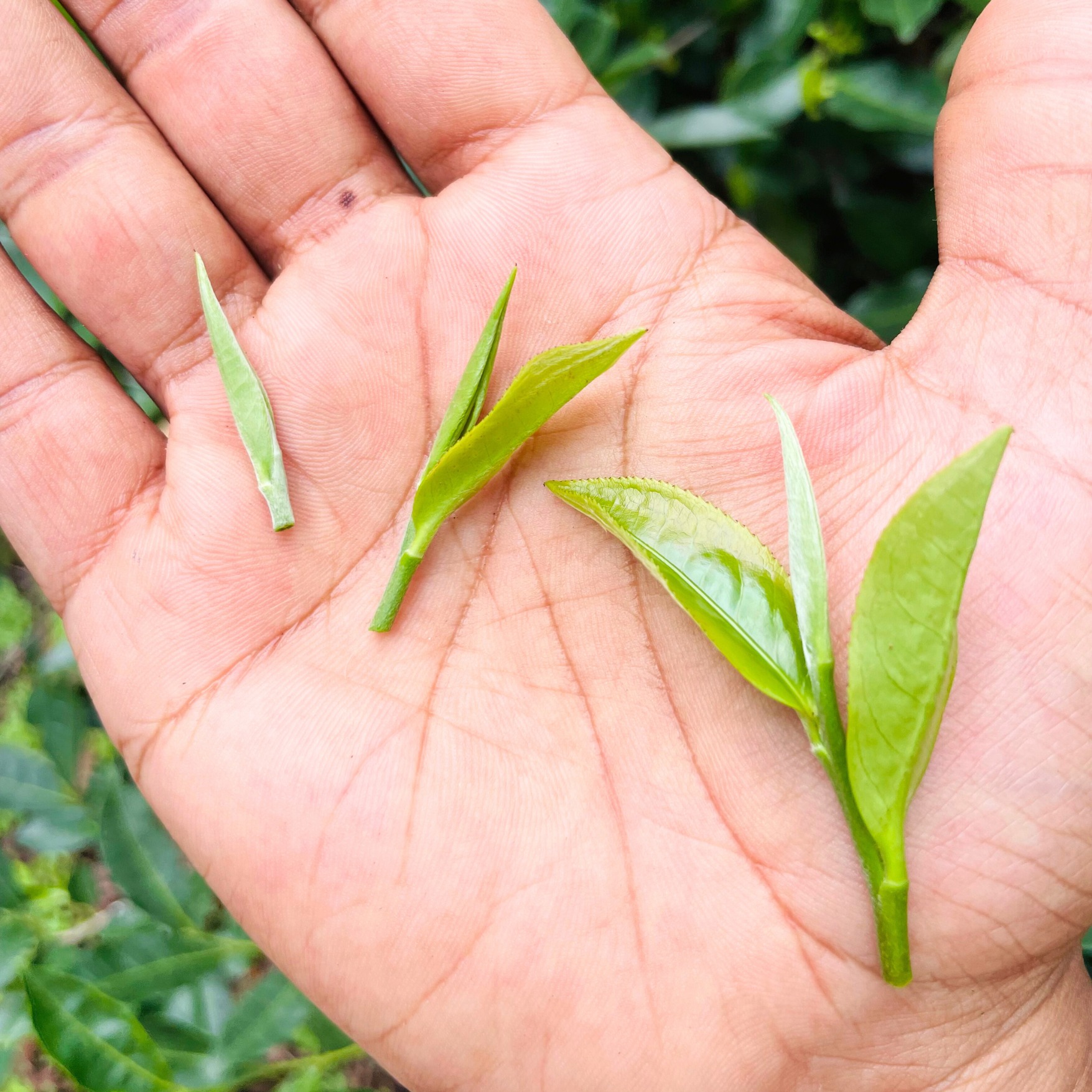
Leaf
The Harvest
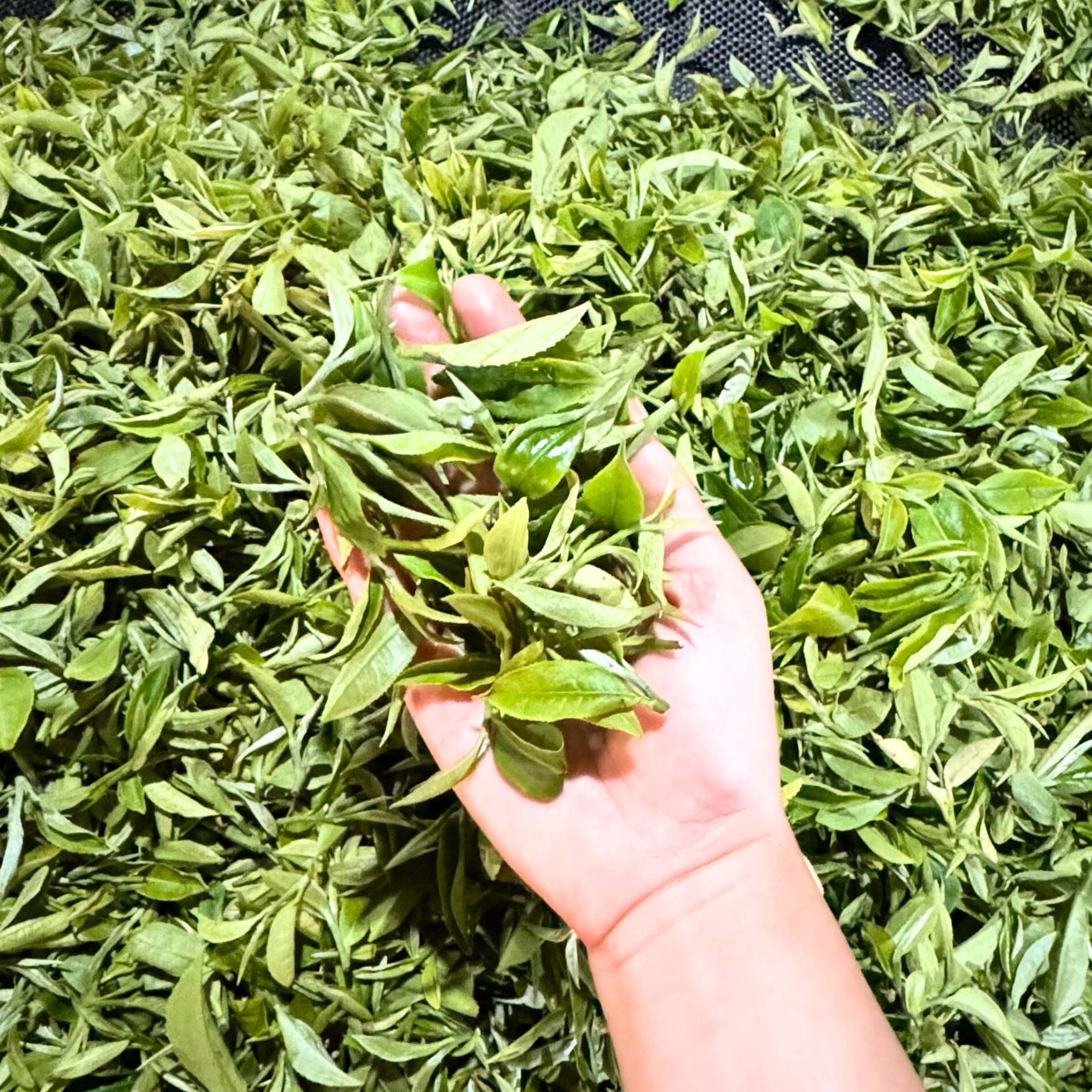
Harvest
The Gathering
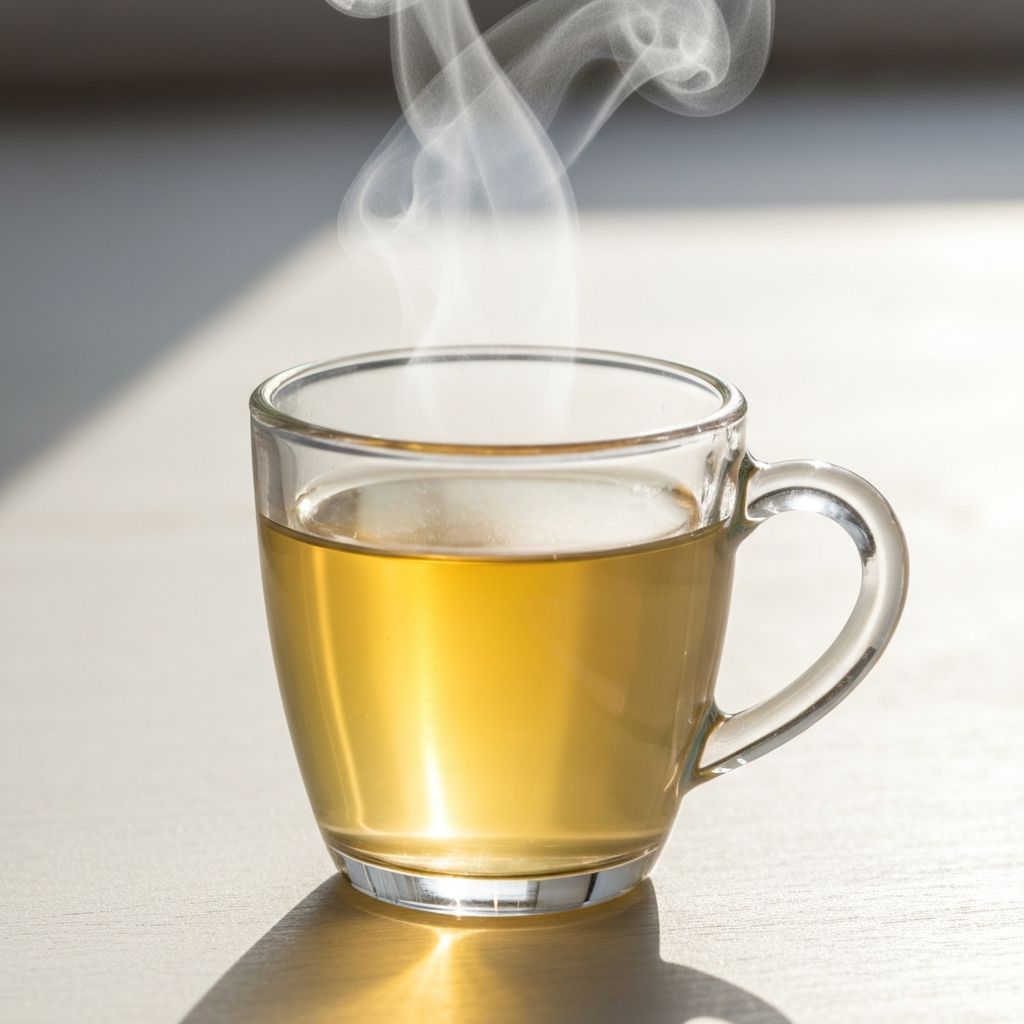
Pour
The Ritual
Each step carries intention
The History of Tea
Tea has been cultivated for over 2,500 years, originating in ancient China where it was first used for medicinal purposes. According to legend, tea was discovered around 2737 BCE when tea leaves blew into Emperor Shen Nong's pot of boiling water. The resulting infusion became a cornerstone of Chinese culture, spirituality, and medicine.
During the Tang Dynasty (618-907 CE), tea drinking became refined and codified. The legendary tea master Lu Yu wrote the first comprehensive book on tea, "The Classic of Tea," establishing tea culture as an art form. Tea gradually spread throughout Asia, becoming integral to Japanese, Korean, and Indian cultures.
By the 17th century, tea had reached Europe and became a luxury commodity. The British refined tea culture with formal afternoon tea service. Today, tea is the second most consumed beverage in the world after water, with billions of people enjoying its rich heritage daily.
Tea Traditions & Ceremonies
Chinese Gongfu Tea
A refined art form emphasizing skill, technique, and the relationship between tea master and drinker. Multiple infusions extract different flavor layers, each revealing new complexity.
Japanese Tea Ceremony (Chanoyu)
A choreographed ritual emphasizing harmony, respect, purity, and tranquility. Every movement carries intention, transforming tea preparation into meditation and spiritual practice.
Indian Chai Culture
Strong black tea blended with spices, milk, and sweetener. More than a beverage, chai represents hospitality, community, and daily ritual across India and South Asia.
British Tea Service
Formal afternoon tea with fine china, pastries, and social ceremony. A tradition of elegance and refinement that elevated tea to a cultural institution.
How Tea is Made: The Six Steps
Plucking
Leaves are carefully hand-picked at their peak. The grade depends on which leaves are harvested - younger leaves produce finer teas.
Withering
Fresh leaves are spread to reduce moisture content, allowing oxidation to begin naturally. This step takes 6-48 hours depending on the tea type.
Rolling/Shaping
Leaves are rolled, twisted, or shaped to develop flavor and appearance. This also helps control oxidation and moisture release during brewing.
Oxidation
Controlled exposure to air allows enzymatic reactions to develop color and flavor. Duration varies greatly: minimal for white/green teas, complete for black teas.
Drying
Heat treatment stops oxidation and removes remaining moisture. This preserves the tea and develops final flavor characteristics.
Sorting & Grading
Finished teas are sorted by size, appearance, and quality. Whole leaf teas are premium, while broken leaves and dust are lower grades.
Handmade vs Machine Processing
Handmade Tea (Traditional)
- • Master tea makers control every step with precision
- • Allows artistic expression and subtle flavor development
- • Time-intensive, resulting in limited quantities
- • Each batch has unique character and personality
- • Higher quality and more complex flavor profiles
- • Preserves centuries-old techniques and wisdom
Machine Processing (Modern)
- • Consistent, standardized production at scale
- • Efficient and cost-effective processing
- • Predictable flavor and quality results
- • Better for everyday tea consumption
- • Reduced human labor required
- • May lose subtle nuances of handmade teas
Understanding Tea Types
All true tea comes from the same plant: Camellia sinensis. The differences in color, flavor, and character come from processing methods and oxidation levels. Here are the six main categories:
White Tea
The least processed tea, oxidized only 5-10%. Delicate, subtle flavors with natural sweetness and light, refreshing character.
Green Tea
Lightly oxidized (10-30%) with heat treatment to stop oxidation. Fresh, grassy notes with vegetal clarity and energizing properties.
Oolong Tea
Partially oxidized (30-90%) creating a complex profile between green and black. Fruity, floral, or toasty depending on oxidation level.
Black Tea
Fully oxidized (80-100%) producing robust, malty flavors. Bold, full-bodied with depth, warmth, and natural sweetness.
Pu-erh Tea
Aged tea that undergoes natural or microbial fermentation. Earthy, smooth, and medicinal with exceptional depth and complexity.
Herbal Infusions
Not true tea but plant-based blends. Caffeine-free with diverse flavors from flowers, fruits, roots, and herbs for wellness.