Ritual & Practice
Silence in a Cup
The Meditative Practice of Pouring
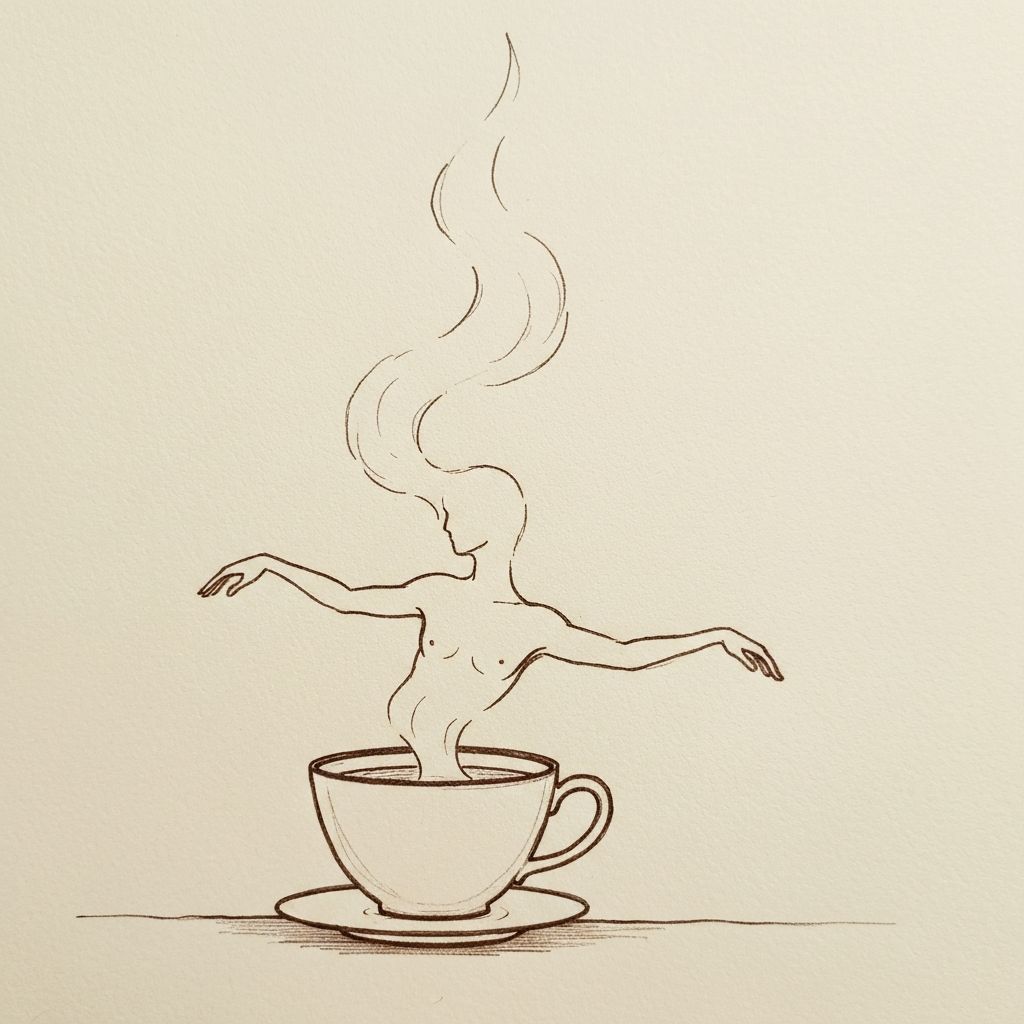
Tea ceremony isn't decoration. It's a way of being. Slowing down. Paying attention. Honoring the moment. In times of uncertainty, the ritual of tea becomes an anchor.
The science of sacred action
Why Ritual Matters
Ritual is not superstition. It is neuroscience. When you perform the same action with intention, your brain enters a different state. Your amygdala (fear center) quiets. Your prefrontal cortex (wisdom center) activates. You become more resourced. More present. More connected to what matters. Tea ceremony is ritual. Every element is chosen: the water, the vessel, the leaf, your attention. This chosen-ness creates medicine.
Water, leaf, time, presence
The Elements of Ceremony
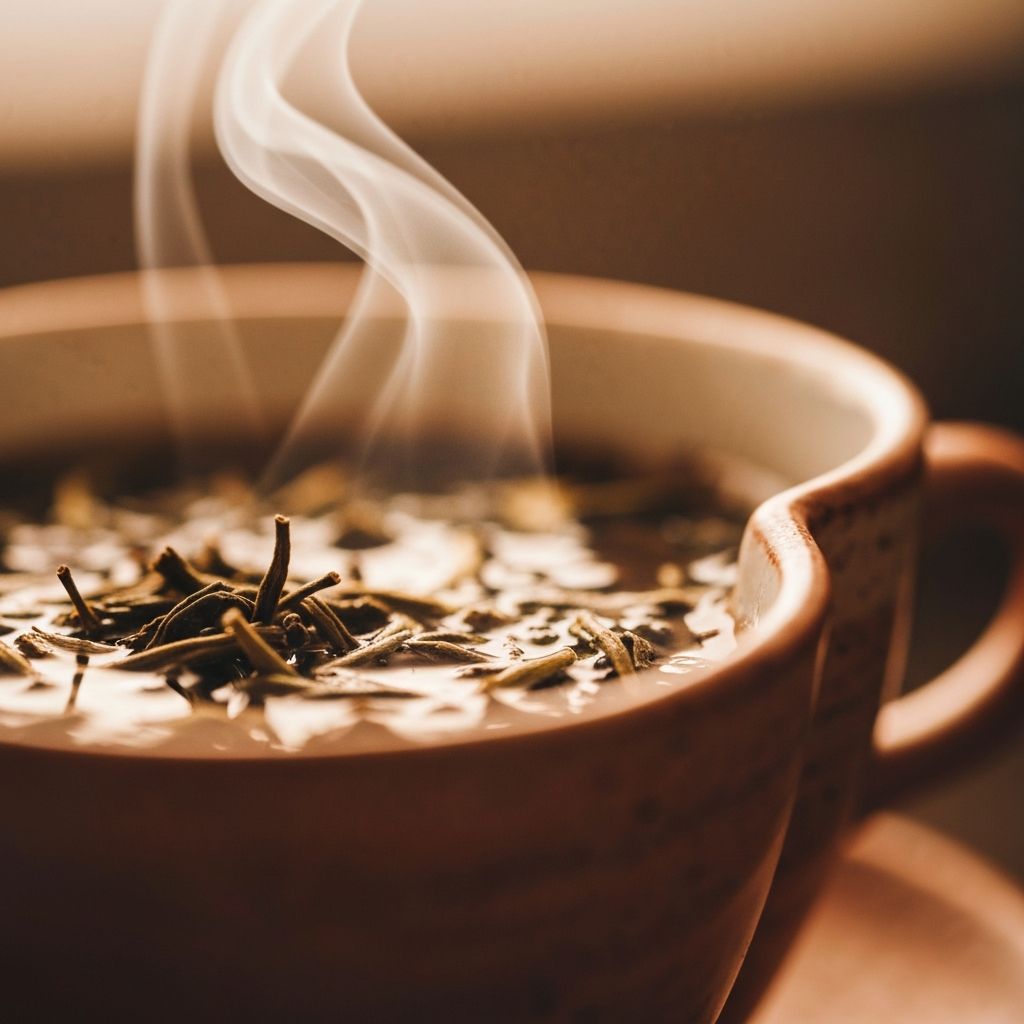
A true tea ceremony needs nothing fancy. A kettle. A cup. Leaves. Water. Time. Attention. The ritual is not the aesthetics. The ritual is the devotion. When you prepare tea with care, something shifts in you. You are no longer rushing toward the next task. You are no longer in your head about the past or future. You are here. Pouring. Waiting. Listening. This is where medicine lives.

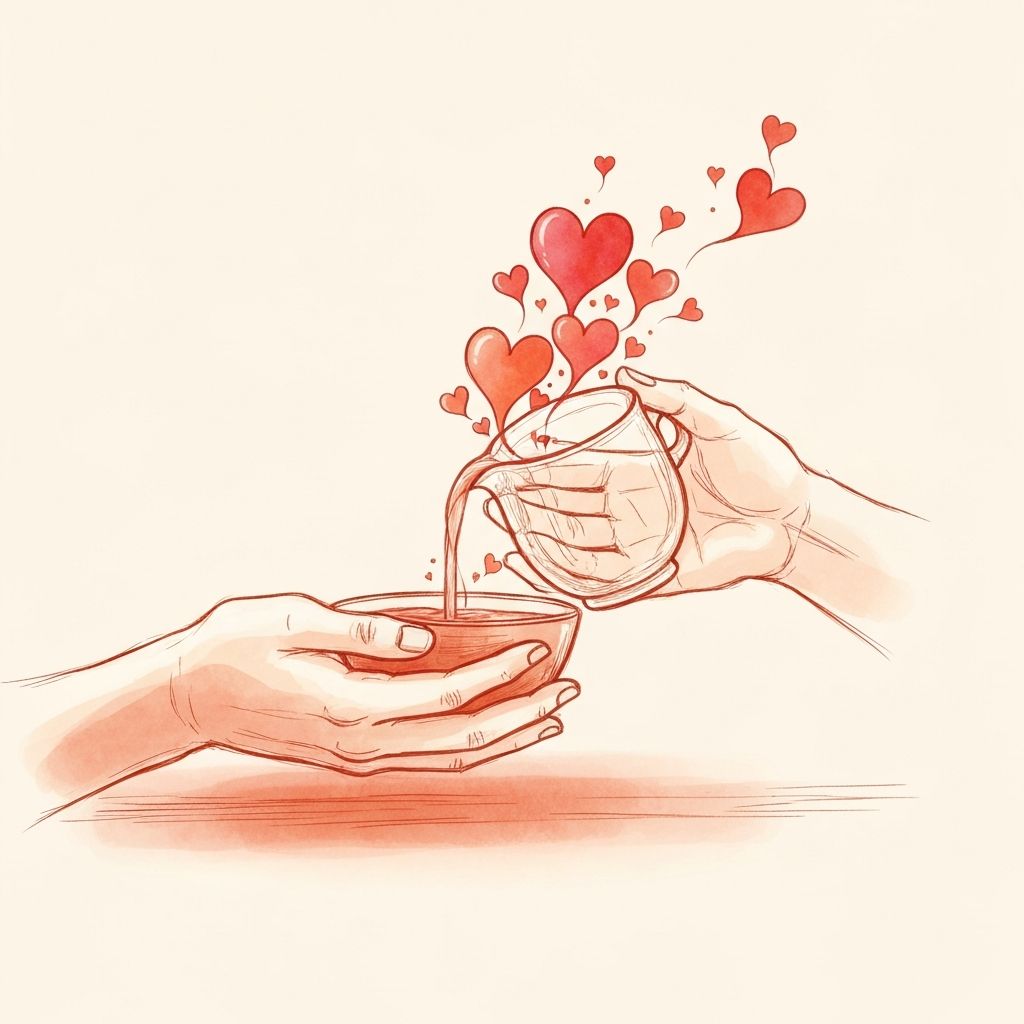
“When you pour with awareness, you pour with love. The tea becomes an extension of your own presence.”
Adarsha
The Sacred Pause Protocol
- 01Designate a tea time: Same time each day creates nervous system anchoring
- 02Choose a quiet space: No phones. No screens.
- 03Gather your tools with intention: Kettle, cup, leaves. Feel the weight of each.
- 04Heat the water slowly: Listen to it warm.
- 05Pour slowly: Watch the color bloom.
- 06Wait in silence: 3-5 minutes. Just wait.
- 07Drink the first sip without talking: Let your body receive.
- 08Notice what shifts: In your mind. In your body. In your presence.
How tea becomes meditation
The Daily Practice
Tea ceremony doesn't require special skills or elaborate equipment. It requires showing up. Every day. With the same leaves, the same cup, the same 10 minutes of devotion to presence. Over time, your body learns. Your nervous system learns. The ritual becomes a portal. When you smell tea brewing, your parasympathetic nervous system activates before you even drink. The body remembers. The body knows: this is the time for coming home to yourself.
What the ritual reveals
Tea as Teacher
A tea ceremony is also a mirror. It shows you how present you can be. How still. How attentive. When you perform the ritual, you are practicing presence. You are training your attention. You are building capacity for calm. Over weeks and months, this practice changes you. Not dramatically. Subtly. Quietly. You notice you are more patient. More grounded. More yourself. This is the real gift of tea. Not the flavor. Not the L-theanine. The transformation of consciousness that comes from showing up, again and again, to the practice of presence.